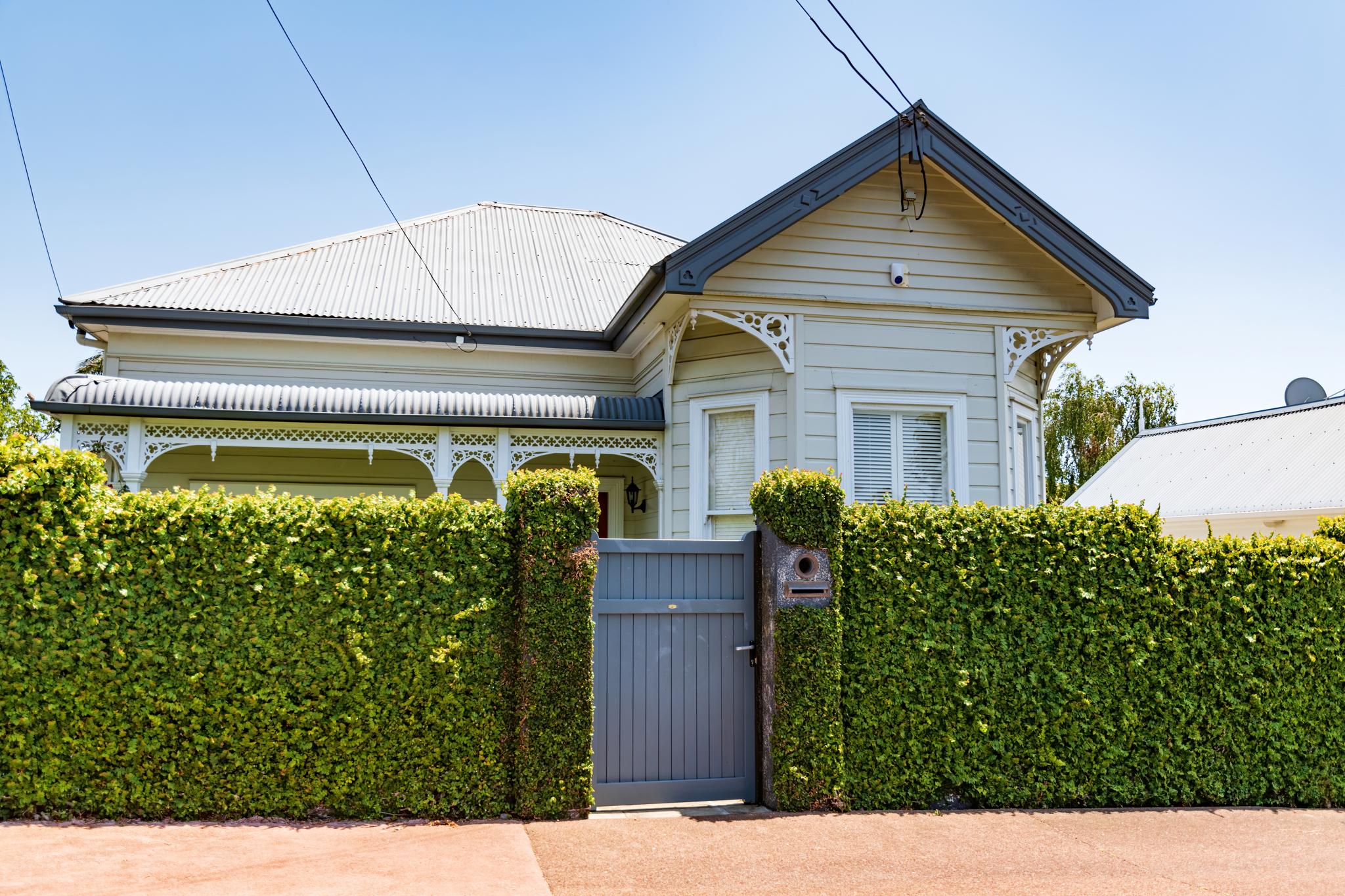
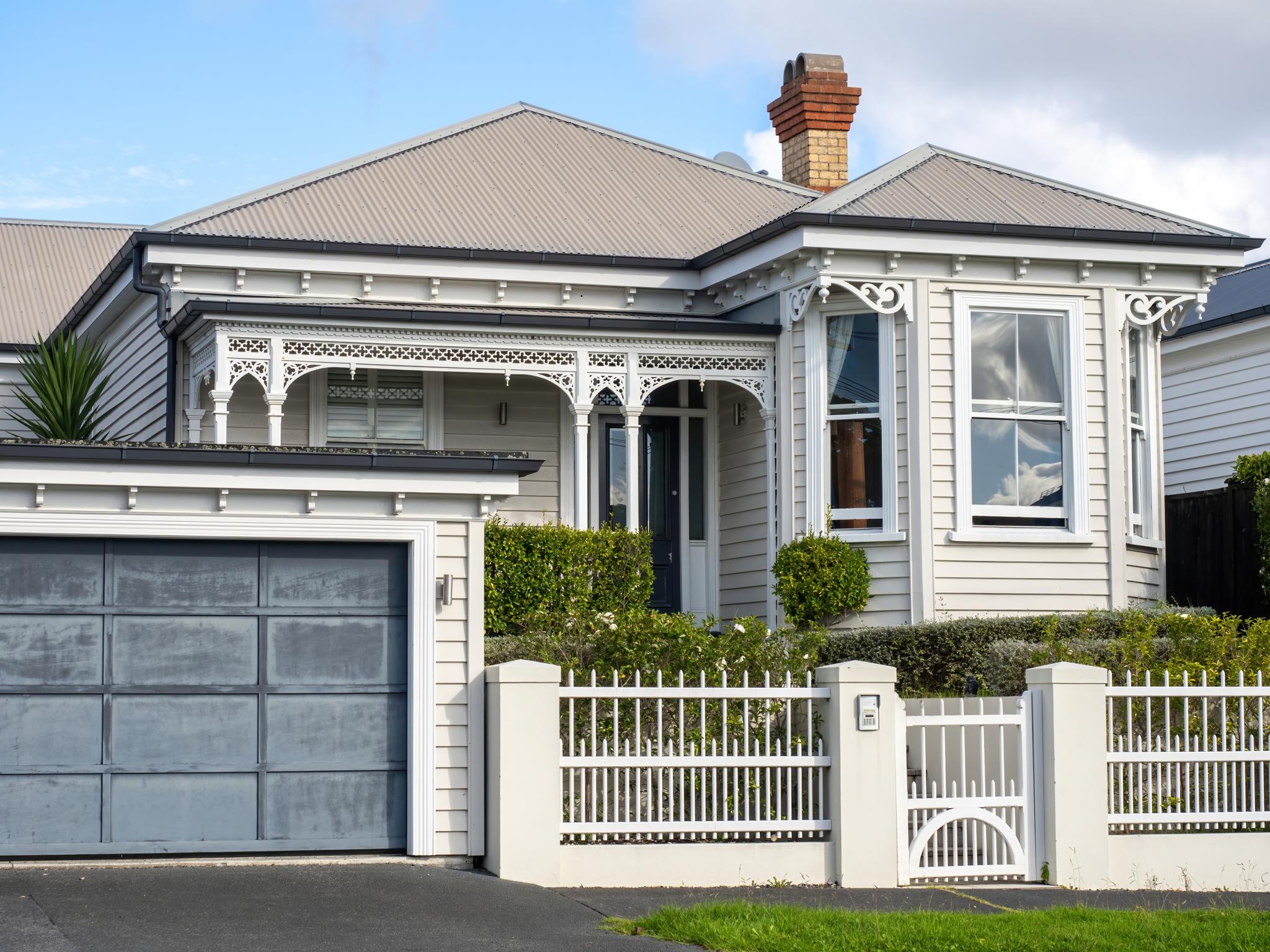

Healthy Homes Assessment Tomoana

Tomoana renters and landlords alike can have their rental properties peace of mind
Rental Property Expert Advice

Healthy Homes Assessment Services

Did you know that the Healthy Homes Standards came into effect on the 1st July 2021? Landlords now have to ensure their Tomoana rental properties meet the minimum Healthy Homes Standards within 90 days of any renewed or new tenancy and all private rentals are required to be completely certified by 1 July 2024.

The areas that are covered by the Healthy Homes Standards are:

We will assess your rental property to check whether it satisfies the NZ Healthy Homes and Residential Tenancy Acts requirements. After assessing, we will advise you or your property manager about any work required. requirements to be completed and provide an evaluation report with all the information needed for your tenancy contract’s Healthy Home Statement of Compliance.

Inability to meet the standards of the Healthy Homes Standards is a violation under the Residential Tenancies Act 1986, and any landlord who is found to be not in compliance could face fines of up to $7,200 in addition to any healthier homes relevant fines.

We are fully independent assessors of rental property, and are completely qualified to assess each of Healthy Homes and Homefit.

Call Now 0800 894 138
healthy homes assessment fines for non-compliance
Rental Property Healthy Homes Fines

Fines for Failing to Comply

From the 1st of July in 2021, when a new, renewed or varied tenancy is signed on a Tomoana rental property, all Healthy Homes compliance tasks must be finished by the end of 90 days.

From the 1st of July in 2021, once a new, renewed or varied tenancy is signed on the Tomoana rental property, all Healthy Homes compliance work must be done inside of 90 days.

Failure to meet each of Healthy Homes Standards inside of the anticipated timeframe could result in the possibility of a fine up to $7200. Additionally, if a currently-in place Healthy Homes Statement of Compliance is not incorporated within the new, renewed or revised tenancy contract, there may be an additional penalty or infringement fee.

Any tenant can ask for details regarding the Healthy Homes Standard and how they relate to the property they are living in. If the property manager fails to provide the necessary information within 21 days from receiving the request, they may receive an infringement notice and be fined up to $750.

In addition, there’s also a fine of as much as $900 for landlords or property managers that provide false or incorrect Healthy Homes Compliance Statement or information. The person who is responsible to pay this fine is the one who is listed on the tenancy agreement as the person who is leasing the property out and it could be the landlord’s name or the property management company.

The information contained in the Statement of Compliance needs to be up-to-date before the tenancy agreement can be completed, and is updated throughout the duration of the tenancy when any related work is completed.

It’s crucial to remember that landlords who manage multiple rental properties could face greater penalties for non-compliance. The highest penalties are given for severe breaches, and landlords with six or more properties could be fined up to $50,000 and as high as $100,000 in hearings.

In the end, a failure to adhere to compliance with Healthy Homes requirements can hit your bank account hard, with huge fines, in addition to having to continue to comply. Do not risk your rental property Contact us now and ask us to conduct an house assessment done for your rental property.

Find the full information on how to apply the Residential Tenancies Act landlords responsibilities.

Healthy homes matter

What is the reason Healthy Homes Compliance So Important?

A majority of households rent homes in New Zealand and Tomoana, and research has shown that these rental houses are more likely to be older, colder, have less effective heating and tend to be lower quality than houses that are owned by the owner.

Damp, mouldy and cold homes can have negative well-being outcomes, particularly ailments like colds and influenza, asthma, and cardiovascular diseases. Additionally, those who experience at least four key house quality problems often experience low life satisfaction and reduced psychological well-being.

Improve the quality of Tomoana rental property can help tenants enjoy better mental and physical health and minimise the disturbance to learning, work and daily life because of diseases. Your investment is also protected from mould, mildew and damp-related damage, which completed jobs in lower maintenance costs in the long run.

The Healthy Homes Standard is a list of the specific and minimum requirements for heating, insulation Ventilation, Moisture Ingress and Drainage, as well as Draught stopping on Tomoana rental properties.

Contact us now to discuss receiving a Tomoana Healthy Home assessment on your rental property now.

healthy homes assessment compliance

How Other People Rate Us

This is a high quality service where they are willing to go above and beyond the call of duty. I was incredibly impressed by the speed and quality of the inspection and report.
Brendon
An excellent and thorough report! Much appreciated. I’ll definitely be recommending
Callum
Fantastic service, really pleased with how thorough the report was - also impressed that it was able to be done at such short notice. A+
Daniel
When should I need to be in compliance with my Healthy Homes Standards?

Tomoana Healthy Homes Compliance Timeframes

Tenancies commenced beginning on 1 July 2019 to 30 June 2021

  • The insulation of the ceiling and underfloor is compulsory throughout Tomoana and New Zealand rental homes where it is reasonably practicable to put in.
  • A Healthy Homes Intent to Comply Statement along with an Insulation Declaration and an Insurance Statement should be included with any renewal, new or modified tenancy agreement.
  • Property managers and landlords must keep records that demonstrate the conformance to the Healthy Homes Standards that apply or will apply throughout the tenancy period of their rental properties.

Beginning 1 July 2021

  • Property managers and private landlords should ensure that their rental properties are in compliance in accordance with Healthy Homes Standards within 90 days of any renewal, new or a change in lease.
  • All the boarding houses (except Kainga Ora and Community Housing Providers with registered boarder home tenancies) must comply with the Healthy Homes Standard regardless of the date when the tenancy started.

From July 1st 2023

  • All households let by Kainga Ora (formerly Housing New Zealand) and registered Community Housing Providers are required to comply with the Healthy Homes Standards regardless of the date when the tenancy started.

Beginning 1 July 2024

  • All rental houses have to meet the Healthy Homes Standards regardless of the date when the tenancy started.
Unreasonable Gaps & Holes

Draught Stopping Tomoana

Draughts are a major cause of low temperatures inside houses. A cold house costs more to heat, which means wasting money and energy.

If a draft can be felt from unreasonable gaps or holes or holes, it needs to be sealed.

What are unjustifiable gaps or holes?

If you are able to feel external air getting in, or see an unobstructed draught coming from a crack or a gap, then it’s most likely a gap or hole which requirements sealing in some way. Cracks or gaps with large gaps must be permanently stopped. The gaps that exceed 3mm that allow air in or out of the home require sealing. For example, if an open fireplace is not in use, it can create draughts. This should be blocked from. Property managers and landlords are responsible for ensuring that these draughts are stopped as far as possible.

You don’t need to block off holes or gaps which are part of the building. For instance, small gaps around windows and doors may be required to allow for movement within the structure as the house warms and cools in order to let them be closed and opened instead of instead of being stuck. We will inspect all windows and doors in our Healthy Homes assessment of your rental property.

Check out the complete details for the Healthy Homes draught stopping requirements.

draught stopping building inspections
home heating inspections
The proper heating equipment is important for healthy homes

Heating Tomoana

Tomoana rental properties require a reliable source of heating that can heat the largest or main living space to a minimum of 18degC, even on the winter coldest days. This is the recommended minimum indoor temperature recommended by the World Health Organisation for people’s physical well-being and mental wellbeing.

The source of heating requirements to remain fixed (i.e. not portable) with at minimum 1.5 kW of heating capacity and have the minimum heating capacity needed for the main living space. A Heating Assessment Tool can be used to determine if the current fix heater(s) are sufficient or if you’ll need to top up by adding a second heater. Open fires as well as unflued combustion heaters like the portable LPG bottle heaters are not considered to be safe heating options in those following the Healthy Homes Standard.

If the heating you provide is an electric heater (or heat pump), then it must include the thermostat. This will help make your heating more consistent and effective. In most houses, larger fixed heating devices such as heat pumps, wood burners pellet burners, flued gas heaters are required. However, in certain instances like small apartment buildings, a smaller fixed electric heater could be enough.

If the living area is already equipped with a fixed heating source, such as the heat pump, it might need an upgrade in order to comply with the standards. Certain kinds of heaters cannot be used to comply with the standard since they’re either costly, not cost-effective to run, or unsafe to operate.

Check out the complete details for details on Healthy Homes heating requirements.

Ventilation Tomoana

Every living space in a rental property has to contain at minimum one open windows or an exterior door to provide natural ventilation. In addition, humid areas such as kitchens or bathrooms must have a suitable externally vented extractor fan that can take moisture away.

A ventilation quality is all about acknowledging how dry air is more easy to heat and that a property that is well ventilated is less likely to develop damp and mould.

Bedrooms, living spaces, kitchens, and dining rooms are considered liveable spaces. Connecting spaces like the hallway aren’t considered liveable and don’t need an opening window or door.

Each window, door or the skylight needs to be able open to the outside, and stay closed in order to allow for fresh air circulation and air flow.

All kitchens and bathrooms, and any other room in your home that has a bath, shower, cooktop or other high humidity-generating items will need proper extractor fan systems which are vented to the outside. We offer a Healthy Homes Assessment service will check that there is adequate ventilation throughout the living spaces, including suitable extractor fans in areas of high moisture.

Learn more about The Healthy Homes ventilation quality.

building ventilation inspections
building insulation inspection
A cozy dry home is an ideal house

Insulation Tomoana

Insulation for underfloor and ceilings is mandatory on all rental houses since July 1, 2019. All landlords and property managers must ensure that the insulation is in line with the new quality. In some instances, existing ceiling insulation or insulation in the subfloor space may need to be replaced or replaced.

A house that is well-insulated can help control condensation, and decrease the risk of mould and damp, and also makes more easy for the house to retain heat.

Insulation needs to meet the R-values of your area.

The "R" signifies thermal resistance and it is a measurement of how well insulation withstands heat flow. The greater the R-value, the better the insulation.

  • Zone 1 Zone 1 Auckland & Northland Ceiling R 2.9 Underfloor R 1.3
  • Zone 2 – all area of North Island except Taupo and the Central Plateau – ceiling R 2.9, underfloor R 1.3
  • Zone 3 Zone 3 North Island Taupo, Central Plateau and all of the South Island – ceiling R 3.3 (underfloor R 1.3

Learn more about the Healthy Homes insulation standard.

Tomoana Moisture Ingress & Drainage

Protecting your rental property from the effects of moisture isn’t just a matter of the inside of the building it is also about the outside. You must ensure there is somewhere to allow surface, rain and ground water to go, and also stop it from getting into the building. When it is about damp and water, it is usually what you don’t see that could become a major issue that can cause damage to your investment as well as harming your tenant’s well-being.

Rental properties must be equipped with efficient drainage for the removal of the stormwater and surface waters and ground water, which includes the proper outfall or runoff. Making sure the water has a location to go and that it doesn’t get sucked into structures is an important aspect of maintaining your property’s dry.

In addition to the drainage system that will prevent moisture from entering, if your apartment has an enclosed gap between the floor and the ground, a ground water barrier must be constructed if it’s reasonably practicable to do so.

Ground moisture barriers are typically made of polythene and is laid on top of the ground, in order to block any moisture present in the ground from entering the building. It also helps in preventing water damage to the floor insulation.

Find out all the details of The Healthy Homes moisture ingress and drainage quality.

moisture ingress and drainage inspection
rental home assessments
Is your rental a Healthy Home?

Rental Property Home Assessments Tomoana

The areas of rental property that are affected to The Healthy Homes Standard in Tomoana include each:

  • Living Rooms
  • Bedroom
  • Dining Room
  • Bathrooms
  • Kitchen
  • Laundry
Checking Your Healthy Home?

Home Assessments Tomoana for Rental Properties

There are numerous things to check when conducting a home inspection to determine whether your rental property meets the minimum requirements of the Healthy Homes Standard. Some examples include:

  • Is the sub floor space insulated and is a ground water barrier in place?
  • Do you think the ceiling insulation require replacement or topping?
  • Can the unit heat up sufficient capacity?
  • Is there adequate drainage and stopping of draughts?
  • Does the house have enough air circulation, including extractor fans?

The consequences of not having an Healthy home in relation to regulations under the Residential Tenancies Act and consequently falling on the wrong side of the Tenancy services ruling can be significant for property managers and landlords. For professional guidance, contact us today and book your rental properties house evaluation.

home assessments for rental properties

Healthy Homes Assessment Tomoana Hastings 4120

Reasons People Choose Us
About Us &

What We Do

As building inspectors, we deal with all the elements that come with specialist house examinations. We’re here to ensure you make the right choice when it comes to purchasing your next property.

We consider your investment to be a serious one We conduct detailed examinations to ensure you don’t receive any expensive or unwelcome unpleasant surprises, so you can relax and focus on the enjoyable aspects of owning or purchasing an house.

We specialise in a variety of solutions to ensure you are fully updated on the condition of any property you might be thinking of buying or selling as well as additional services.

We not only cooperate with you, we also collaborate with a number of big clients like bank branches, local councils and insurance companies. They seem to like their reassurance provided, due to the details that we offer in our reports of building inspections.

With our systemised approach to your inspection of your home and the latest in technology for software that incorporates digital images into the report, you can actually see any problems that might be found. With our comprehensive reporting it is no wonder we receive so many clients who recommend our services to their family and acquaintances.
Get Peace of Mind - Get in Touch
Highly Sillked & Insured Inspection Professionals

Comprehensive Home Assessments

  • Pre Purchase & Pre Sale Reports
  • Building Condition Reports
  • Healthy Homes Assessments
  • General Consultancy
  • Handover Reports
  • Asbestos Compliance
  • Mould Inspection
  • Dilapidation Reports
pre-purchase building inspections

Pre-Purchase Inspection

pre-sale building inspections

Pre-Sale Inspection

healthy home assessment

Healthy Homes Assessment

contact a building inspection company

Request a Quote

Make An Enquiry or

Request a Quote

Fill out the form below to request your no obligation quote or Call Now on 0800 894 138